
Winner2026
Human Health by Design Award
Named a winner of the program run by the Hands-on Human Health Hub at La Source with the Canton de Vaud.
View on LinkedInSwiss Neurotechnology
SmartHear is developing wearable ear-EEG and AI to measure how the brain processes speech in noise. Our clinical program will test whether personalized listening training can support brain health.

In short
Lausanne, CH
In incubation
The ear hears.
The brain listens.
i.Speech can be audible yet hard to follow in noise. Understanding happens in the brain.
ii.Neural responses can be measured at the ear with wearable dry-electrode EEG.
iii.Training guided by those signals may improve listening in noise.

01The problem
Following a conversation in a noisy room can be hard even when every sound is audible. SmartHear studies how the brain processes sound, in particular auditory attention and speech understanding in noise. The aim is to complement existing hearing care.
Our initial focus is adults over 40 with auditory processing difficulties, including hearing-aid users who still struggle in noise.
02Why the brain
Standard hearing tests measure whether sound is audible. Difficulties in how the brain then processes sound are known as central auditory processing disorder (CAPD).
Standard tests measure audibility with an audiogram. Hearing aids amplify sound.
Neural signals travel from the cochlea through the auditory nerve and brainstem.
The brain separates speech from noise and keeps attention on the speaker.
CAPD can affect
Hearing and brain health
Whether listening training can support cognitive health is an open question. SmartHear's clinical program aims to test it.
03Our approach
Attunely combines ear-EEG and AI with the goal of personalizing listening training to how each person's brain responds to sound.
Designed to measure speech understanding and listening effort, from listening tests and brain responses.
Listening exercises that adapt to each person.
Performance tracked across sessions.
Listening assessment and adaptive training
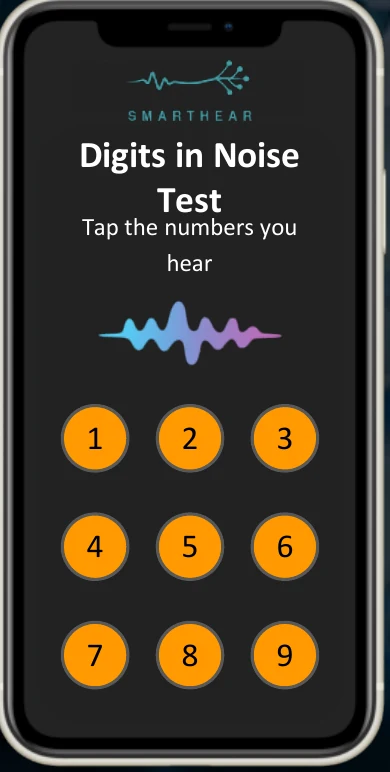

Game-based listening tests and training in realistic scenes, such as a busy café.
Wearable ear-EEG · Research prototype

Wireless dry-electrode sensing on both ears, with a deformable ear hook.
04Where we are
SmartHear is in incubation and works with Swiss innovation and clinical partners.
App for listening assessment and game-based training, built on established tests such as digits-in-noise.
Wireless, bilateral dry-electrode ear-EEG, designed for closed-loop neurofeedback training.
Longer-term research into behavioral and EEG digital biomarkers of brain and cognitive health.
Product development and preparation for clinical validation are ongoing.
Incubated through the CSEM Accelerate program (2025 to 2026), with access to CSEM's expertise in wearable dry-electrode sensing.
Through the Hands-on Human Health Hub, SmartHear works with clinicians and patients to identify unmet needs in hearing care.

Planned clinical feasibility study.

Clinical collaborations.


Named a winner of the program run by the Hands-on Human Health Hub at La Source with the Canton de Vaud.
View on LinkedIn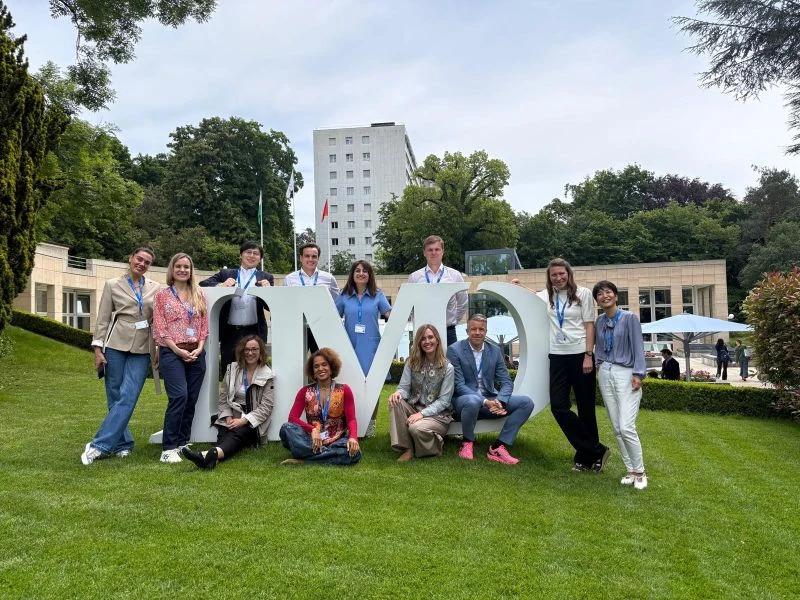
Won the competition. Executive MBA teams tested SmartHear's market and go-to-market strategy.
Read on Startupticker
Won 1st prize for the SmartHear concept.

Innosuisse, initial coaching, 2025 to 2026
Kickstart Innovation, 2025 cohort

Cleveland NeuroDesign Entrepreneurs Workshop, selected participant, 2026

BioAlps, selected speaker, 2026
TechBio Day 2026, presentation and prototype showcase
View on LinkedIn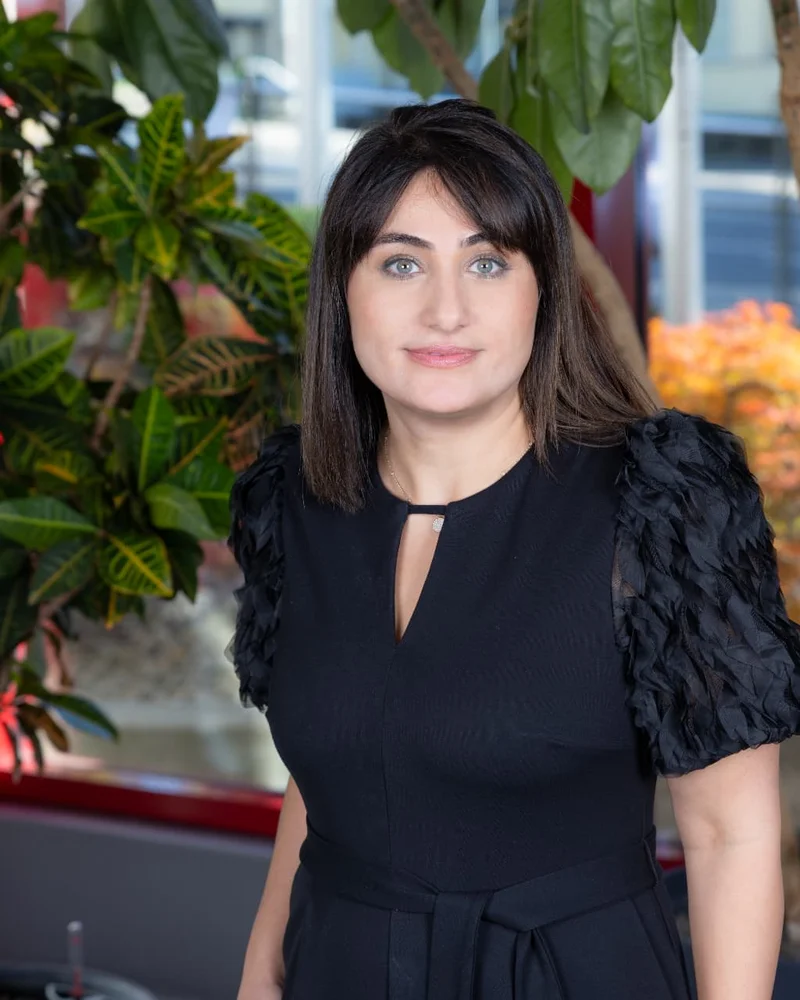
05Founder
Founder & CEO
Zahra has spent 15 years moving brain technology from the lab toward patients.
Her EPFL PhD, in collaboration with Nissan, produced brain-computer interfaces that detect a driver's intention from EEG before the movement. At the Wyss Center in Geneva, she led sponsor-side development of NeuroTin, a multicenter trial of EEG- and fMRI-based neurofeedback for tinnitus across EPFL, HUG, and Tübingen University Hospital. She also reviewed the safety of implanted brain-computer interfaces, work that contributed to FDA guidance. Research and innovation management at EPFL and AI data partnerships at Owkin followed.
SmartHear joins the two halves of her career: brain sensing and clinical trials, now applied to hearing. She is an inventor of neuro-adaptive hearing technology. She won 1st prize at the RoX Health digital health hackathon in 2021 and has since won further awards with SmartHear.
Previously at Wyss Center Owkin EPFL
06Contact
SmartHear is in incubation. We welcome early conversations with investors and with clinical and research partners.